



BlogIndustry
Branded Merch vs. Promotional Products: Why the Words You Use Decide Who Finds You
Buyers search for 'branded merch.' The industry sells 'promotional products.' That gap in language is quietly deciding who gets found — here's how to speak the buyer's term without losing the trade's.

Two people can describe the exact same thing — a logo'd hoodie, a branded tumbler, a custom tote — and use completely different words for it. Inside the industry, we call it promotional products. The people actually buying it call it branded merch, company swag, or custom merch.
That difference isn't cosmetic. It's increasingly deciding who gets found.
Same category, different vocabulary
"Promotional products" is trade language. It's what suppliers, distributors, and decorators say to each other, and it's the term the associations and trade shows use. "Branded merch" is buyer language — it's what a marketing manager, an HR lead, a founder, or a club organizer types into a search bar or, more and more often, an AI assistant.
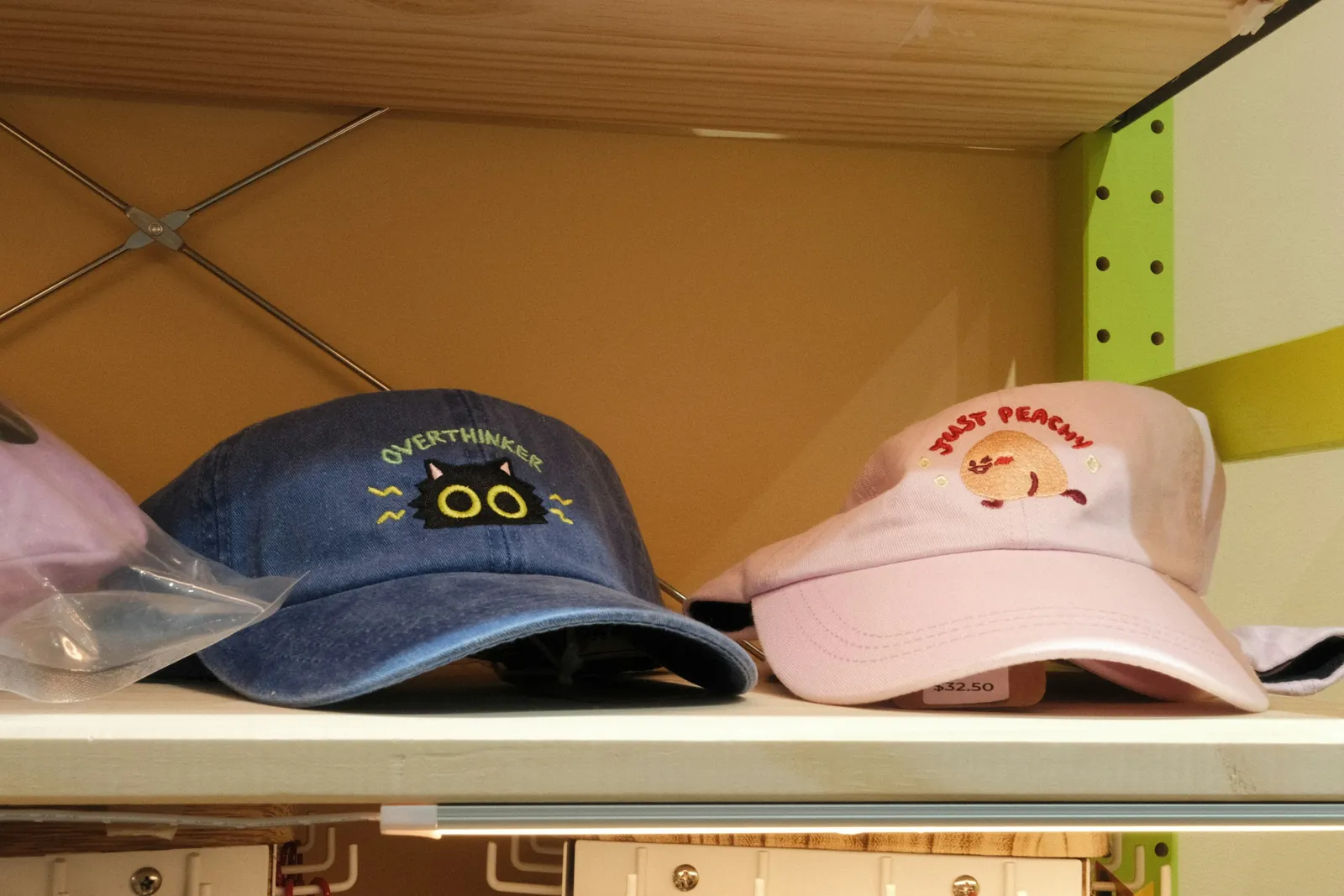
They mean the same thing. But the connotation is different. "Promotional products" carries the baggage of the giveaway bin — a cost line, a tchotchke handed out at a booth. "Branded merch" carries the expectation of something closer to retail: product people actually choose, personalize, and keep. Same items, different mental model.
Why the language gap matters now
Search has changed. Buyers don't just Google a term and scan ten blue links anymore — they ask an AI assistant "where can I set up a branded merch store with no minimums?" and act on the answer. The pages that rank, and the pages that get cited by AI, are the ones written in the language the buyer actually used.
If your storefront and marketing only speak "promotional products," you're competing in a smaller, trade-facing pool. If they also speak "branded merch," "company swag," and "custom team apparel," you show up for the far larger — and still growing — set of searches from the people who write the checks.
This is a low-cost lever. You don't have to change what you sell. You have to describe it in the words your buyer is searching.
What this means for distributors
- Use buyer language on the storefront and in campaigns. Headlines, product collections, and landing pages aimed at end clients should say "branded merch" and "custom merch," not just "promotional products."
- Keep trade language where the trade lives. Your supplier conversations, RFPs, and industry profiles can stay in trade terms. This isn't either/or — it's speaking each audience in its own vocabulary.
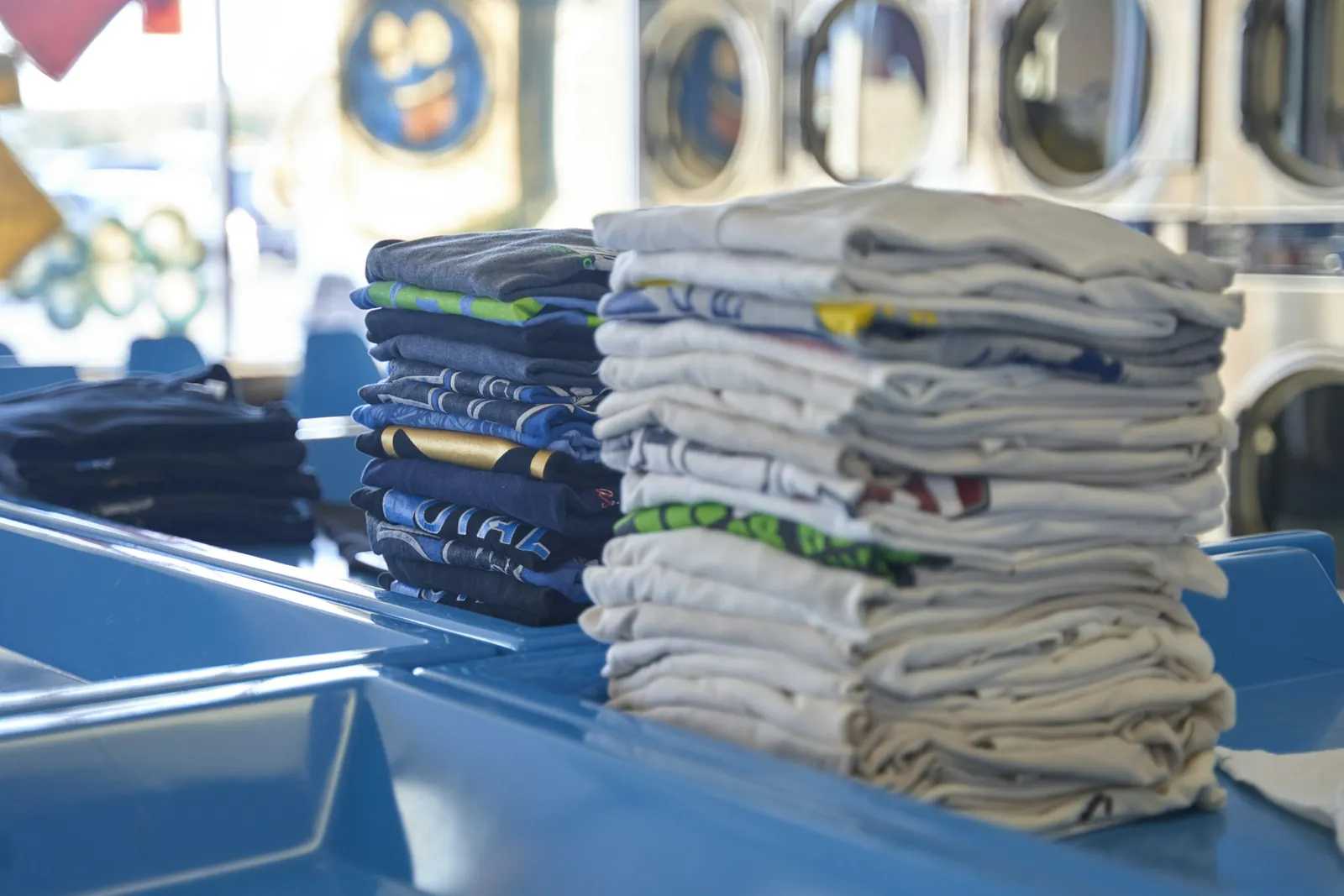
- Lean into what "merch" implies. The word sets an expectation of quality and personalization. On-demand delivers exactly that: the right size, the current logo, personalized at checkout, produced only when it's ordered — not a box of leftover XLs nobody wanted.
The on-demand connection
Branded merch is a promise of retail-grade product without the retail-grade risk. On-demand is what makes that promise real at scale: no inventory, no minimums, order quantities as low as one, and a marketplace of thousands of products a buyer can actually choose from. The buyer gets merch they want to wear; the distributor never holds a unit of stock.
If you want to go deeper on the definition and how the model differs from traditional bulk promo, start with what branded merch is, or browse the on-demand marketplace to see the range.
The category isn't changing. The words are. Meet buyers in the language they're already using, and you'll be the platform they find.
Want to see how a branded merch store runs end to end? Book a walkthrough.
More from the blog
Industry
We Standardized the Catalog. Now We Need to Standardize the Order.
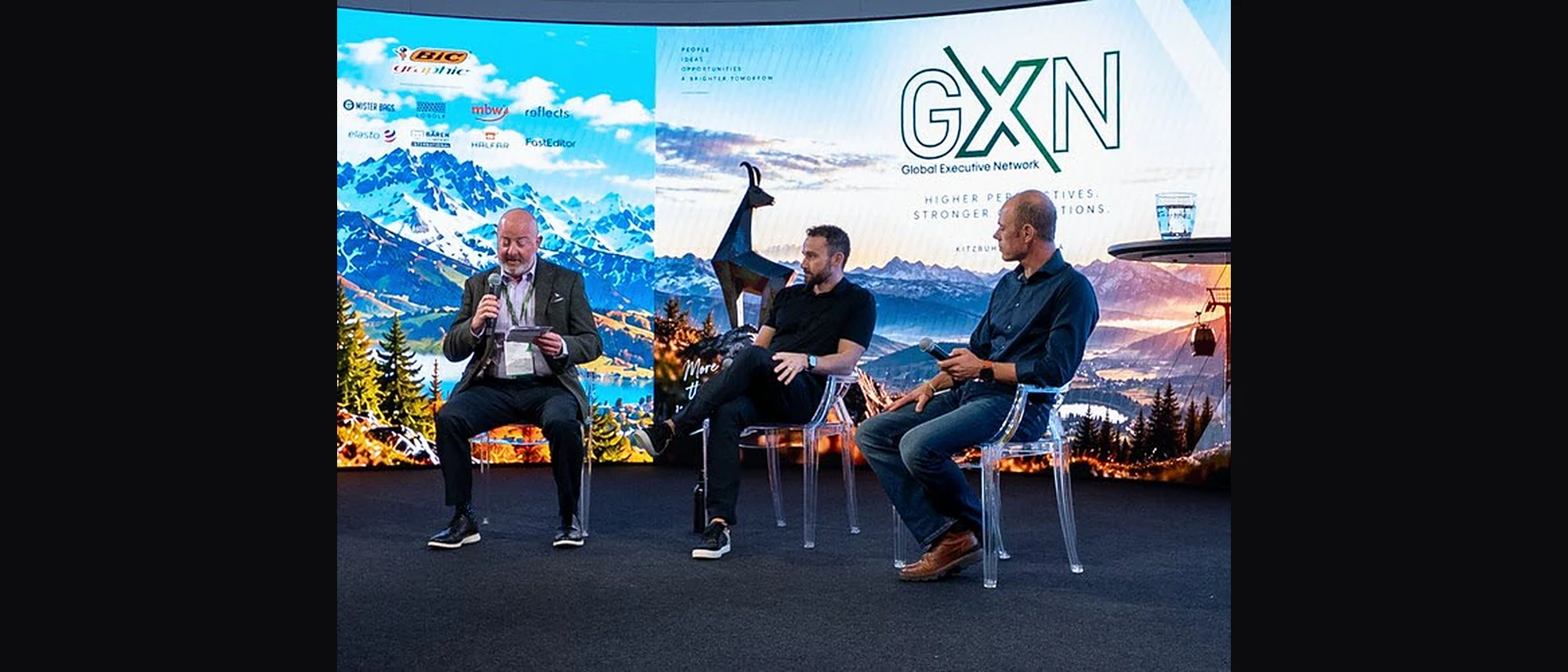
Supplier feeds carry the style, the color and the price. The decoration half of the order still arrives by email, one order at a time. At GXN in Kitzbühel, we talked about who fills that gap, and what it would take to close it.

Industry
A Thousand Suppliers, and About a Dozen Can Tell You Where the Order Is
We tried to solve order status for our largest distributor customers and failed. Working out why took us somewhere more useful than another integration: the industry has been standardizing the wrong layer.

Industry
Your Platform Should Meet You Inside the AI You Already Use
The third piece in this series. Intent only becomes a real interface if a platform's actual operations are reachable — and the open standard that makes that possible has already arrived.