



BlogIndustry
The Complete Guide to B2B Merchandise Programs in 2026
Everything promotional product distributors need to know about building, managing, and scaling B2B merchandise programs for corporate clients.

B2B merchandise programs are structured product offerings that allow businesses to purchase branded merchandise through a dedicated storefront or ordering portal. Unlike one-off promotional product orders, these programs run continuously — providing a self-service channel for employees, clients, or partners to order branded items on demand.
Table of Contents
- What Qualifies as a B2B Merchandise Program?
- Why B2B Merch Programs Are Growing
- How to Structure a B2B Merchandise Program
- The Distributor Revenue Model
- Getting Started
What Qualifies as a B2B Merchandise Program?
A B2B merchandise program is any branded product offering that meets three criteria:
- It's ongoing — not a single order, but a persistent storefront or catalog.
- It serves a defined audience — employees, franchise locations, sales teams, or channel partners.
- It's managed by a distributor — the promotional products professional configures the store, selects products, and oversees fulfillment.
Common Program Types
| Program Type | Target Audience | Example |
|---|---|---|
| Corporate company stores | Employees | Employee merchandise portal with branded apparel |
| Franchise brand compliance stores | Franchise locations | Centralized catalog ensuring consistent branding |
| Sales incentive programs | Sales reps | Merchandise rewards for hitting targets |
| Event merchandise portals | Attendees | Conferences, trade shows, and fundraisers |
| New hire welcome kits | New employees | Curated catalog of onboarding swag |
Why B2B Merch Programs Are Growing
Three market forces are driving adoption:
Remote and hybrid workforces. With employees spread across locations, companies need a centralized way to distribute branded merchandise. Mailing swag boxes to 500 remote employees is expensive and wasteful — a company store lets each person order what they actually want.
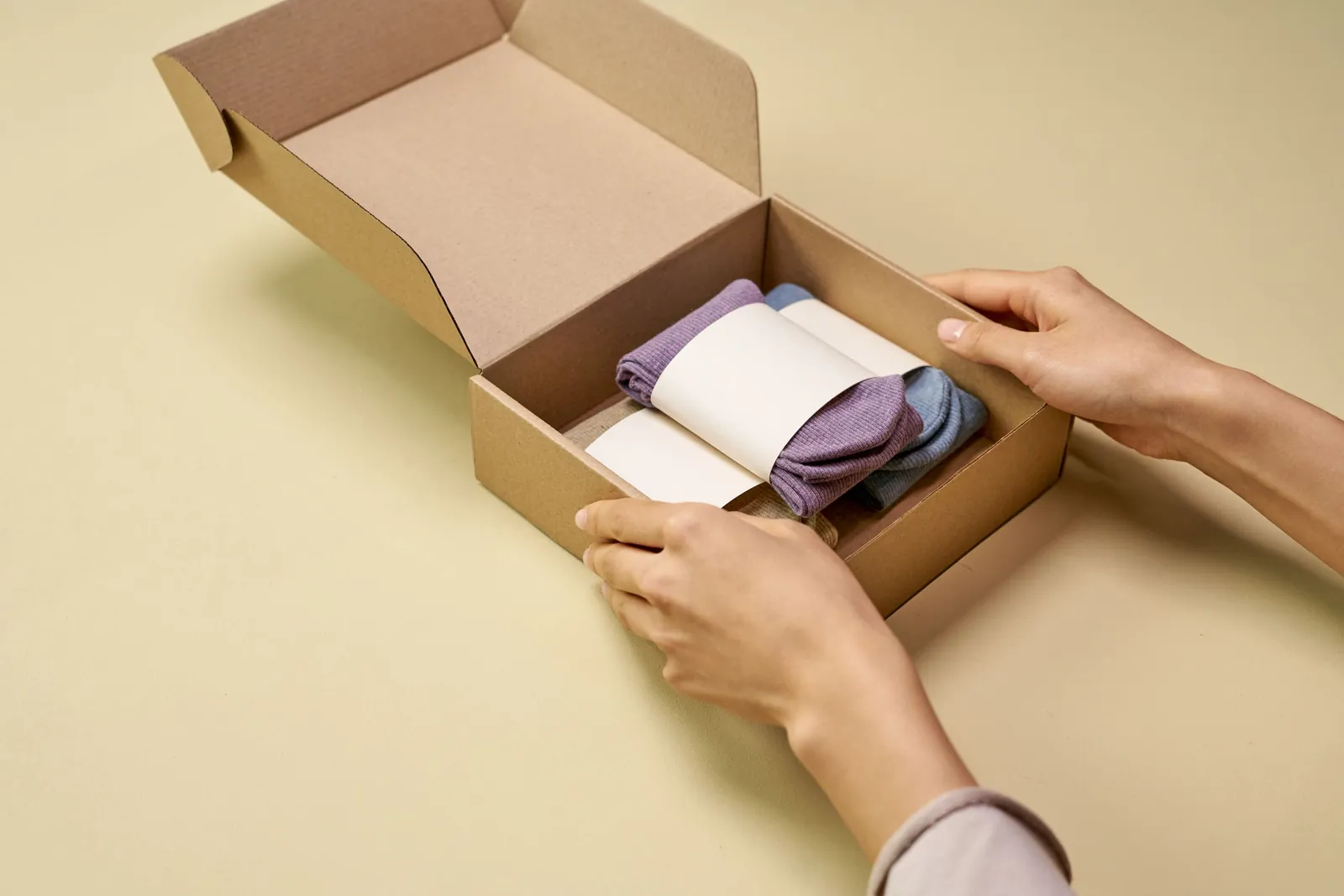
Brand consistency requirements. Franchise operations and multi-location businesses struggle to keep branding consistent when individual locations order their own merchandise. A centralized program with approved products and locked-in designs solves this.
On-demand technology. Until recently, running a company store meant committing to inventory — buying hundreds of items in advance and hoping sizes and styles matched demand. On-demand fulfillment platforms like Brikl have eliminated this requirement, making it feasible for distributors to run programs for clients of any size.
How to Structure a B2B Merchandise Program
1. Define the Audience and Scope
Before selecting products, establish who will order and how much the client will spend.
Key questions to answer: How many potential buyers? Is there a per-person allowance? Will the client fund the store or will end users pay? Are there seasonal peaks (onboarding cycles, annual events)?
2. Curate the Product Catalog
Less is more. Programs with 30–50 well-chosen items outperform those with 200+ options. Focus on:
| Category | Recommended Items |
|---|---|
| Core apparel | 3–5 tops (polos, t-shirts, quarter-zips) |
| Outerwear | 1–2 jackets appropriate for the client's climate |
| Accessories | Hats, bags, drinkware |
| Premium items | Executive gifts or milestone rewards |
3. Choose the Fulfillment Model
| Model | Best For | Risk Level |
|---|---|---|
| On-demand (print per order) | Programs with variable demand, many SKUs | Low — no inventory |
| Bulk pre-stock | High-volume items with predictable demand | Higher — inventory risk |
| Hybrid | Large programs with both predictable and variable items | Medium |
On Brikl, all three models can run through a single storefront. On-demand items are fulfilled through the platform's 12 fulfillment partners, while pre-stocked items can be managed through the direct ordering workflow.
4. Launch and Communicate
The most common mistake is launching a store without a communication plan.
Best practices for a successful launch:
- Send a launch email with a direct link to the store
- Include the store link in the company intranet and onboarding materials
- Run a limited-time promotion (free item for first 50 orders) to drive initial traffic
- Follow up 30 days post-launch with a "most popular items" email
5. Measure and Optimize
Track these metrics monthly:
| Metric | Target | Why It Matters |
|---|---|---|
| Total orders and revenue | Growing month-over-month | Core health indicator |
| Repeat purchase rate | >25% within 6 months | Shows the store meets real needs |
| Catalog utilization | >60% of SKUs selling | Identifies underperforming products |
| Average order value | $35–$75 | Below $35 suggests limited selection |
Use this data to trim underperforming SKUs, introduce new items, and adjust pricing.
The Distributor Revenue Model
B2B merchandise programs create recurring revenue for distributors. On a platform like Brikl, the economics work as follows:
| Component | Detail |
|---|---|
| Retail pricing | The distributor sets retail prices in the store |
| Cost deductions | Cost of goods, fulfillment, and platform fee (3.5%) are deducted per order |
| Distributor margin | The difference between retail price and total costs |
| Payout schedule | Processed on the 1st and 15th of each month |
Key takeaway: Because programs are ongoing — not one-time orders — a distributor managing 20 active company stores generates predictable monthly revenue with minimal operational overhead.
Getting Started
The barrier to launching a B2B merchandise program has never been lower. On-demand platforms handle product sourcing, decoration, fulfillment, and payment processing. The distributor's role shifts from order manager to program strategist — designing stores, curating products, and advising clients on how to maximize their programs.
Related Reading
- How to Build a Company Store That Employees Actually Use — The practices that drive repeat purchases and keep company stores active beyond launch.
- 8 Features Every On-Demand Company Store Must Have — A technical checklist for evaluating company store platforms.
- The Real Cost of Selling Promo: A Margin Breakdown — A transparent look at the economics of on-demand promotional product selling.
More from the blog
Industry
We Standardized the Catalog. Now We Need to Standardize the Order.
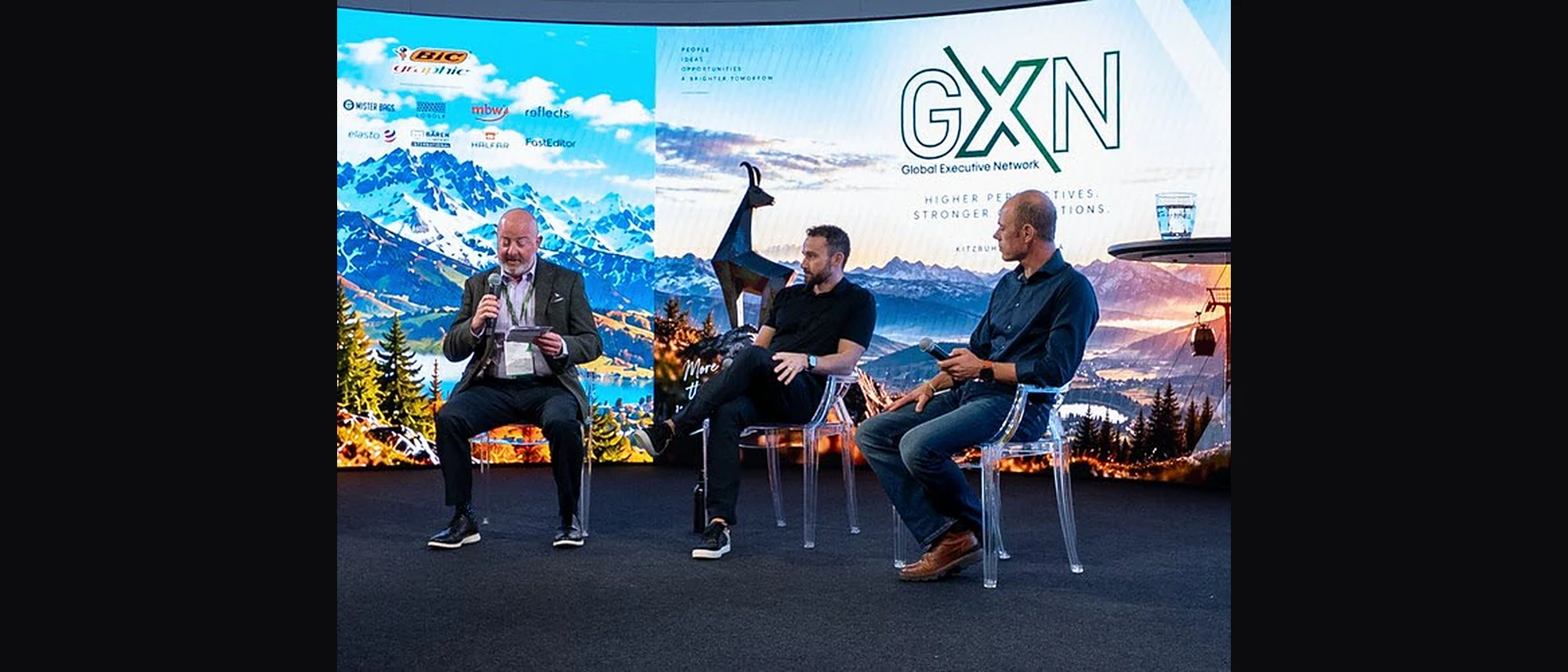
Supplier feeds carry the style, the color and the price. The decoration half of the order still arrives by email, one order at a time. At GXN in Kitzbühel, we talked about who fills that gap, and what it would take to close it.
Industry
A Thousand Suppliers, and About a Dozen Can Tell You Where the Order Is
We tried to solve order status for our largest distributor customers and failed. Working out why took us somewhere more useful than another integration: the industry has been standardizing the wrong layer.
Industry
Your Platform Should Meet You Inside the AI You Already Use
The third piece in this series. Intent only becomes a real interface if a platform's actual operations are reachable — and the open standard that makes that possible has already arrived.