


BlogEducation
On-Demand vs Bulk: Which One Fits Which Order?
On-demand and bulk aren't rivals. They are two tools for two jobs. Here's how to tell which order belongs on which, and why you no longer have to choose a platform for it.
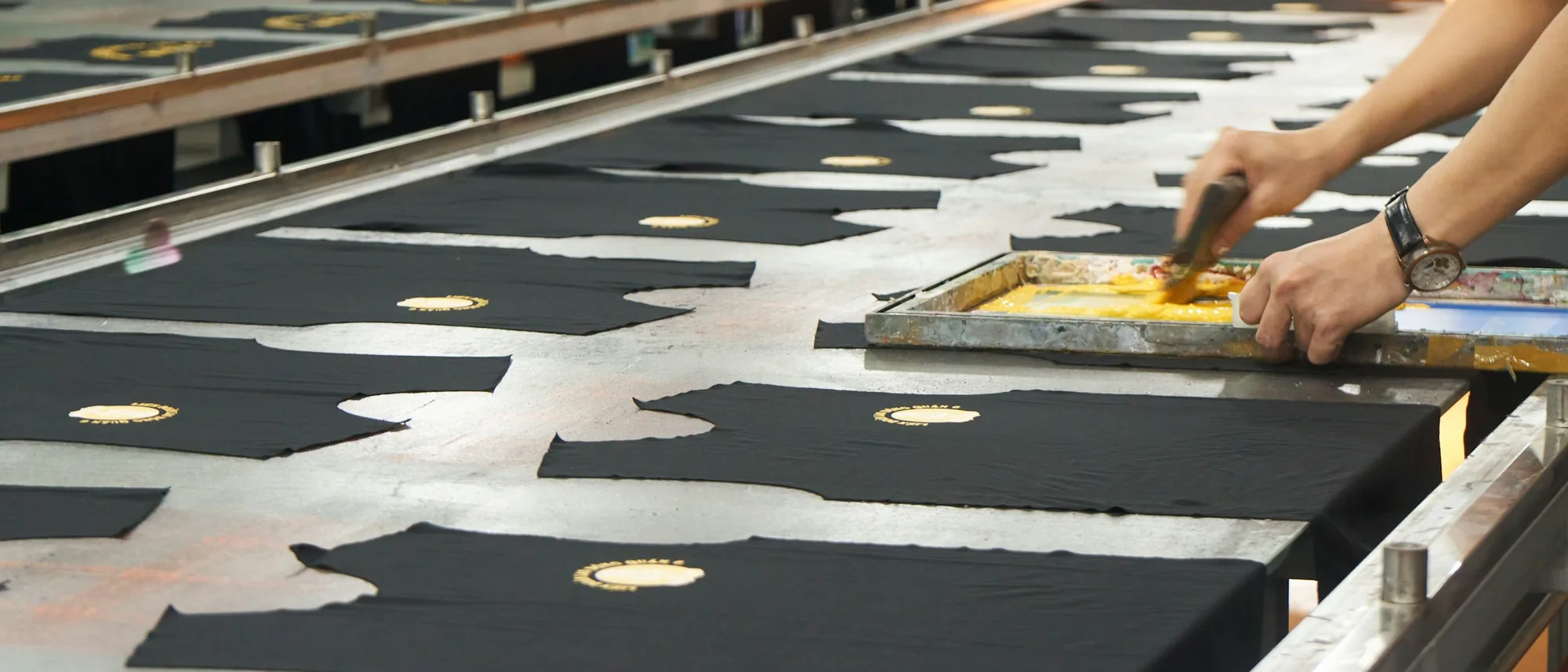
On-demand fits open-ended demand, such as company stores, team stores, reorders and new-hire kits, where the quantity is unknown or spread over time. Bulk fits a known quantity for a known date, like an event or a uniform run. On Brikl you don't pick a platform for each: one catalog drives both on-demand stores and bulk orders, with no minimum order quantity.
In short:
- On-demand suits ongoing, per-person demand: nothing is produced until it is bought, so there is no size-guessing and no leftover stock.
- Bulk suits a fixed quantity for a fixed date, such as an event giveaway, a uniform run or a conference.
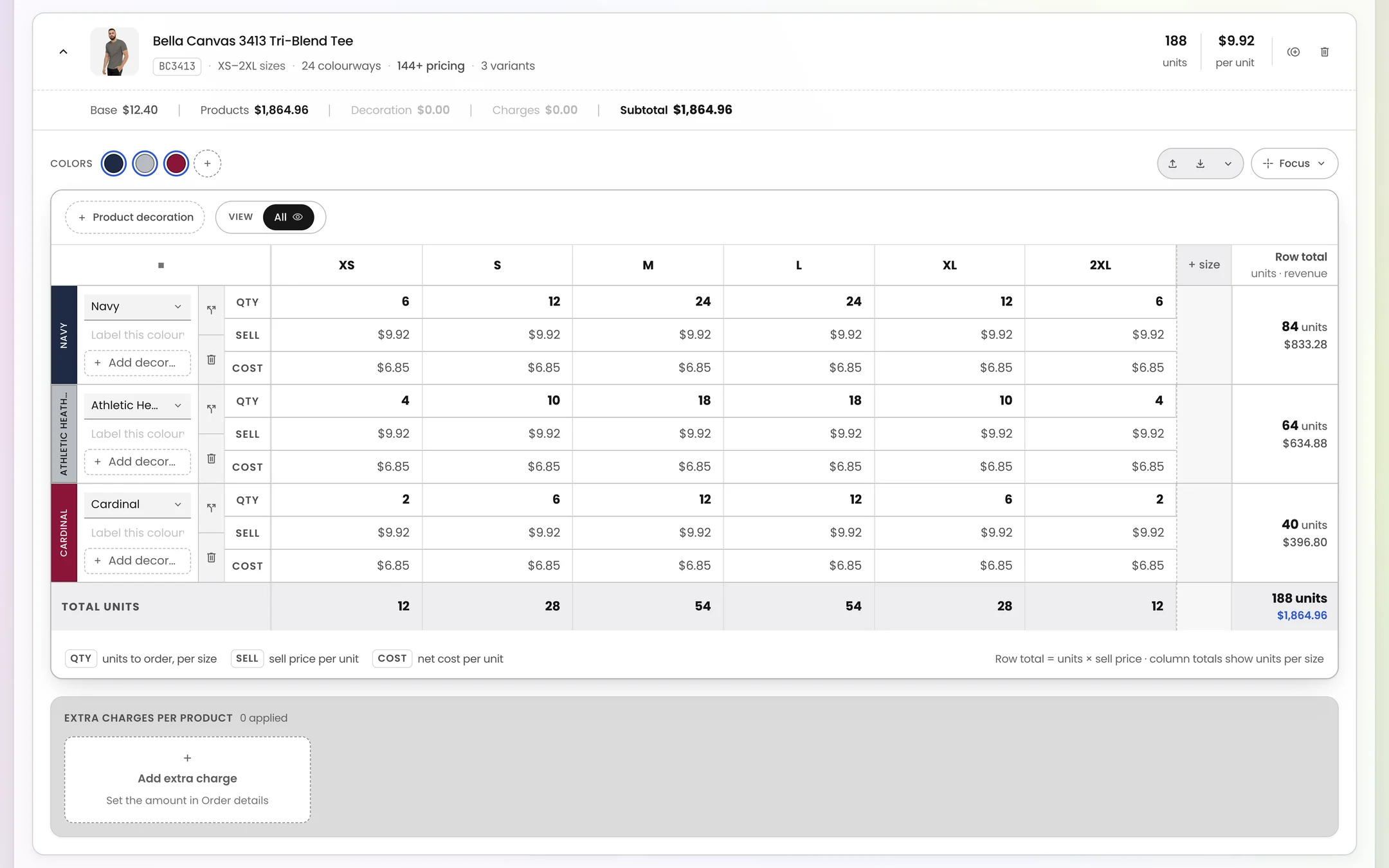
- Brikl prices bulk orders per unit on on-demand rails through Order Builder, so bulk no longer requires pre-buying inventory.
- In Brikl's illustrative example, a company that bulk-buys 100 hoodies at $32 pays $3,200 up front but needs only 38 over the year, worth $1,216.
- Brikl runs on-demand stores and bulk orders from one catalog and one login, so you choose per order, not per platform.
What is the difference between on-demand and bulk ordering?
On-demand produces each item when someone orders it; bulk produces a set quantity at once for a set date.
The difference is less about volume and more about how certain the demand is. If you know who needs what, in which size and by when, you have a bulk order. If people will order over weeks or months, each choosing their own size, you have on-demand demand.
Traditionally, bulk also meant pre-buying blanks and fronting a production run. On Brikl both run on per-unit pricing, so the question is simply which workflow fits.
On-demand store, traditional bulk buy and bulk order on Brikl compared
| Question | On-demand store | Traditional bulk buy | Bulk order on Brikl (Order Builder) |
|---|---|---|---|
| Best for | Ongoing, per-person demand | Known quantity, known date | Known quantity, known date |
| Who picks sizes | Each person, at checkout | The buyer, in advance | The buyer, in a size grid |
| Inventory | None | Pre-bought blanks or finished stock | None |
| Minimum order | None on Brikl | Set by the production run | None on Brikl |
| Leftover stock | None | Common | None beyond confirmed quantities |
| Delivery | Per order, to the buyer | One shipment | One coordinated order |
| Typical examples | Company store, team store, new-hire kits, fundraisers | Event giveaway, uniform run | Event giveaway, uniform run, conference |
When does on-demand fit better?
On-demand fits whenever the quantity is unknown or spread over time.
Think of an always-on company store, a team store where each player picks a size, reorders, new-hire kits, or a fundraiser that stays open. Nothing is produced until it is bought, so there is no size-guessing and no dead stock.
The size question is the one most people underestimate. A bulk buy forces someone to predict how many smalls and XXLs a group needs; a store lets each person answer. New hires, for example, typically order their own kit in their own size in their first week, rather than waiting for the next bulk run.
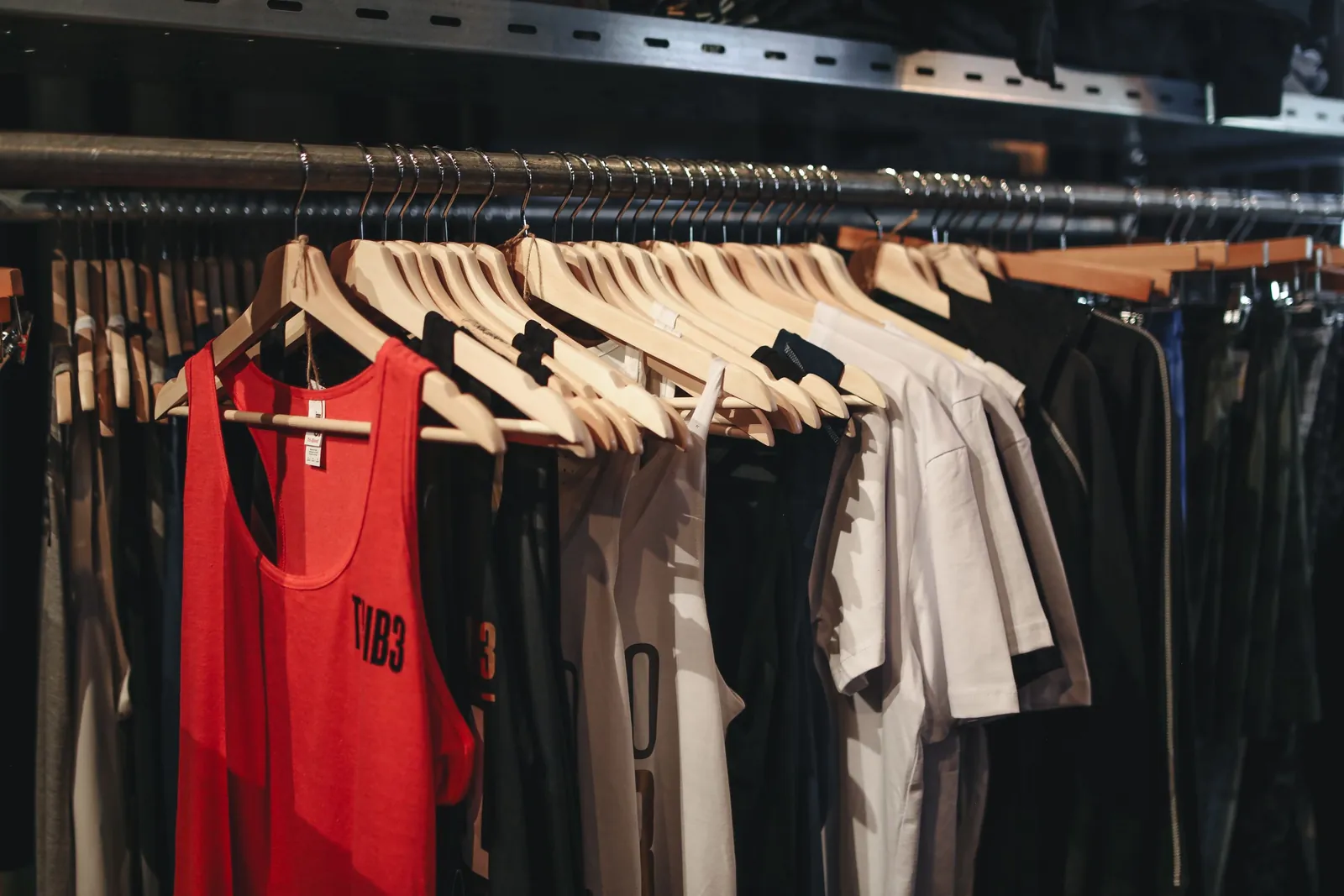
On-demand also suits scattered recipients: a client gift can ship straight to the person who receives it.
When does bulk fit better?
Bulk fits a known quantity by a known date: an event giveaway, a uniform run, a conference.
Here a store adds a step nobody needs. The organizer already has the headcount and sizes, and wants one order and one delivery.
On Brikl, Order Builder takes that bulk order on per-unit pricing, with decoration set at the item level. You get bulk's coordination, including a size grid, row labels per team or department, and a printable order sheet, without pre-buying inventory or fronting a full production run. The mechanics are explained in bulk ordering on on-demand rails.
What does a bulk buy really cost when demand is uncertain?
A bulk buy costs the full run up front, even when only part of it is ever used.
Brikl's corporate page uses an illustrative example. A company bulk-buys 100 hoodies at $32 each, which is $3,200 up front. Over the year, people actually need 38 hoodies, worth $1,216. Brikl's 3.5% platform fee on those 38 would be $42.56.
That example is about uncertain, ongoing demand, which is exactly where on-demand fits. For a one-day event with a confirmed headcount, the gap is much smaller, which is why bulk still has its place. You can read more about this trade-off on Brikl's page on corporate branded stores.
Plan backward from the in-hands date
On Brikl, on-demand production typically takes 2–5 business days for DTG and DTF, 3–7 for embroidery and 3–5 for print products. Most domestic orders arrive in 7–10 business days. Build that window into any event order before you commit to a date.
How do I decide which one fits an order?
Ask five questions about the order; the answers usually point clearly to one model.
- Is the quantity known today? If you can write down a confirmed number, lean toward bulk. If the number depends on who shows up or who joins later, lean toward on-demand.
- Is there one in-hands date? A single event date points to bulk. Demand that continues for weeks or months points to a store.
- Who knows the sizes? If the organizer has a size list, bulk works. If only each wearer knows their size, let them choose in a store.
- Where does it ship? One venue or one office suits a bulk order. Many homes or locations suit on-demand, where each order ships to its buyer.
- Who pays? If the client pays once for everything, bulk is simpler. If individuals pay, or spend is capped per person with coupon codes, a store fits better.
Some orders sit in between. A pop-up store collects orders during a date window, and everything goes into production after the window closes. That works well for a team or a club where each person picks a size but the deadline is fixed.
Can the same client use both?
Yes. One client can easily need both in the same year.
Consider a hypothetical 60-person company with three offices. It runs an always-on company store for new-hire kits and reorders, where each office can have its own budget. Once a year, it also hosts an offsite and needs 60 matching jackets for a fixed date. The store handles the first need; a bulk order handles the second.
The problem has never been the client's needs; it has been the tools. With the store on one system and the bulk order in a spreadsheet, one client ends up split across two places.
Do I have to choose a platform for each?
No, and that is the point.
Most distributors run stores on one system and bulk orders on spreadsheets and email. Brikl runs both from the same catalog, artwork and reporting, so the same client's store and bulk order finally live in one place. Store orders, team store orders, marketplace orders and directly entered bulk orders all appear in one orders list.
This is the part I would underline: you no longer steer clients toward whichever model your tools support; you recommend what fits each order. Brikl's explanation of how it works shows the full flow, and Brikl's store features cover the on-demand side.
Run stores and bulk orders from one catalog
Set up a store for ongoing demand and build bulk orders in the same account. Launch has no setup fee and no monthly subscription; see Brikl pricing for details.
Frequently asked questions
Is on-demand more expensive per unit than bulk?
Not necessarily. On Brikl, blank products are available at wholesale cost; a tee is $5–8 on Brikl compared with $12–18 on consumer print-on-demand platforms, with decoration priced separately. More importantly, on-demand avoids paying for units nobody uses, which in a traditional bulk buy can outweigh a lower unit price.
Is there a minimum order quantity on Brikl?
No. Brikl has no minimum order quantity for on-demand stores or for bulk orders placed in Order Builder. Products are sold as eaches and produced when ordered, so distributors don't hold inventory and clients aren't forced to round up to a production run they don't need.
What is a pop-up store, and when should I use one?
A pop-up store on Brikl is a store that accepts orders only during a set date window. Orders collected in that window go into production after it closes. It suits groups where each person chooses their own size and item but the deadline is fixed, such as a club, a team or a seasonal campaign.
Can a store and a bulk order for the same client use the same artwork?
Yes. On Brikl, on-demand stores and bulk orders run from the same catalog and artwork, so a client's logo set up once can be used in their always-on store and in a bulk order for an event. Both orders also appear in the same orders list and reporting.
Can made-to-order items be returned?
Made-to-order items on Brikl are not returnable for size, color or change of mind, because each item is produced for a specific order. Damaged or defective items are replaced free of charge when reported within 7 days with a photo. Orders can be cancelled only before production starts.
More from the blog
Education
What Is Print on Demand? A Complete Guide for Promotional Product Distributors
Print on demand lets distributors sell custom products without holding inventory. Here's how the model works and why it's reshaping the promo industry.
Education
Screen Printing vs. Embroidery vs. DTG: Choosing the Right Decoration Method
A technical comparison of the six most common decoration methods in promotional products — when to use each and how they affect cost, quality, and turnaround.
Education
How On-Demand Fulfillment Works in Promotional Products
A step-by-step breakdown of the on-demand fulfillment process — from order placement to delivery — and why it's replacing traditional inventory models.