



BlogEducation
Screen Printing vs. Embroidery vs. DTG: Choosing the Right Decoration Method
A technical comparison of the six most common decoration methods in promotional products — when to use each and how they affect cost, quality, and turnaround.
Choosing the right decoration method is one of the most important decisions in promotional products. The method affects product quality, cost per unit, turnaround time, and the types of designs that are possible. This guide covers the six most common methods used in on-demand and bulk decoration.
The Six Core Decoration Methods
1. Screen Printing
Best for: Large runs (50+ units) with simple, bold designs using 1–4 colors.
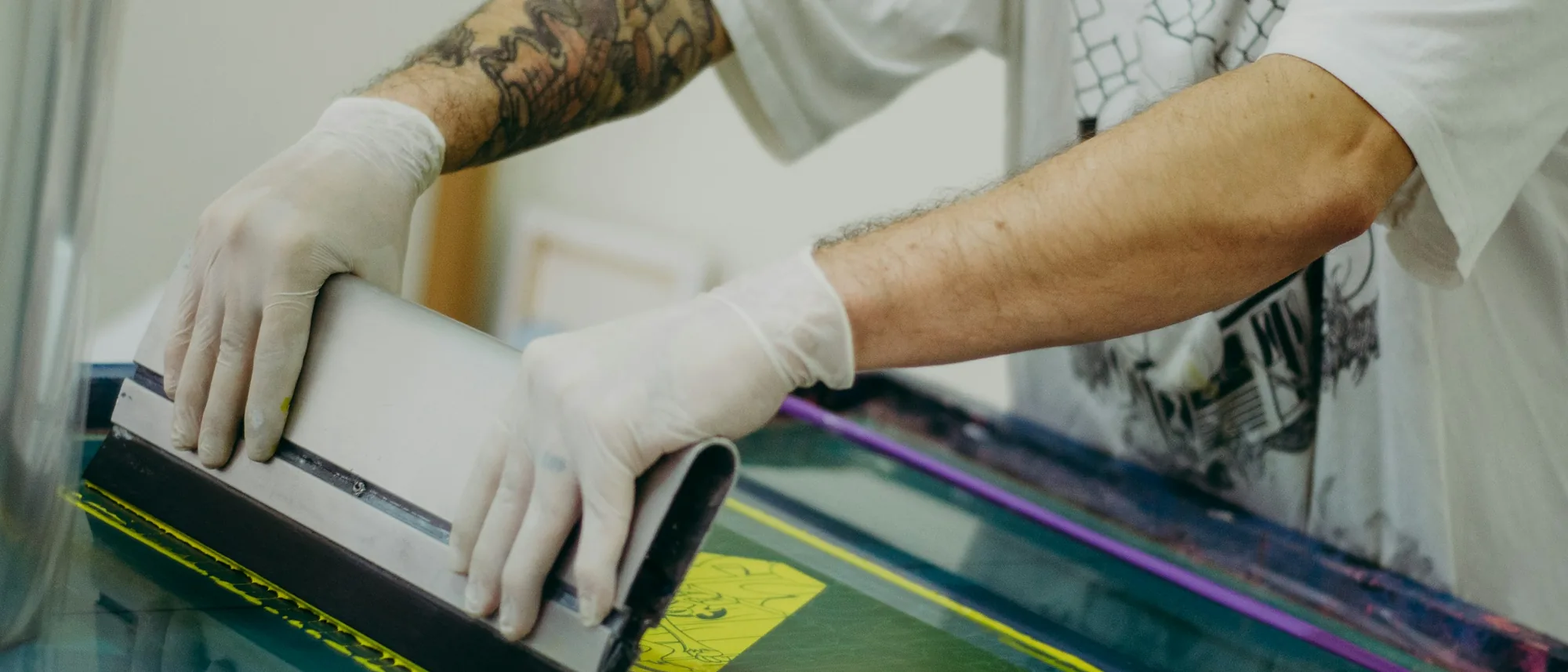
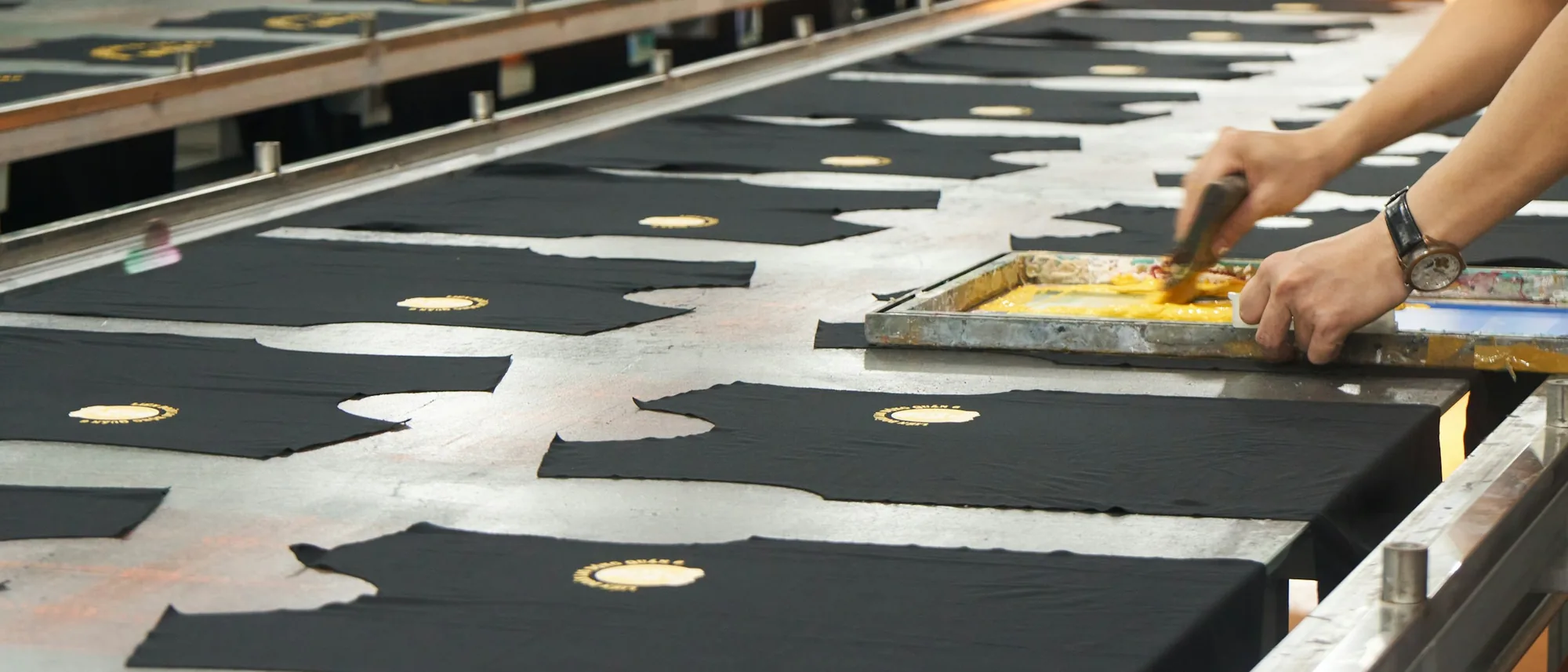
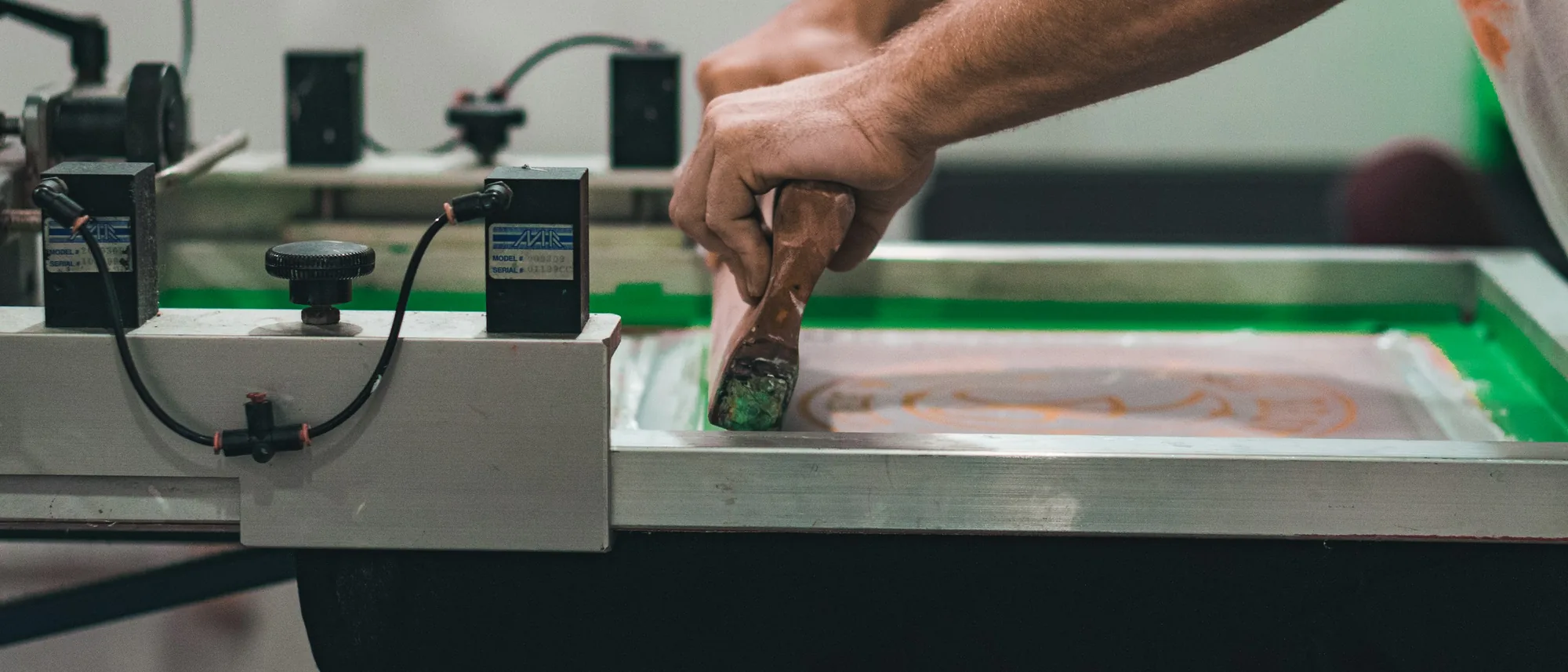
Screen printing pushes ink through a mesh stencil onto the product. Each color requires a separate screen, which means setup costs are higher for multi-color designs — but per-unit cost drops significantly at volume.
| Attribute | Detail |
|---|---|
| Minimum practical run | 24 units |
| Colors | 1–6 (cost increases per color) |
| Durability | Excellent — withstands 50+ washes |
| Best fabrics | Cotton, cotton-poly blends |
| Turnaround | 5–10 business days |
2. Embroidery
Best for: Corporate apparel, polos, caps, and jackets where a premium look is required.
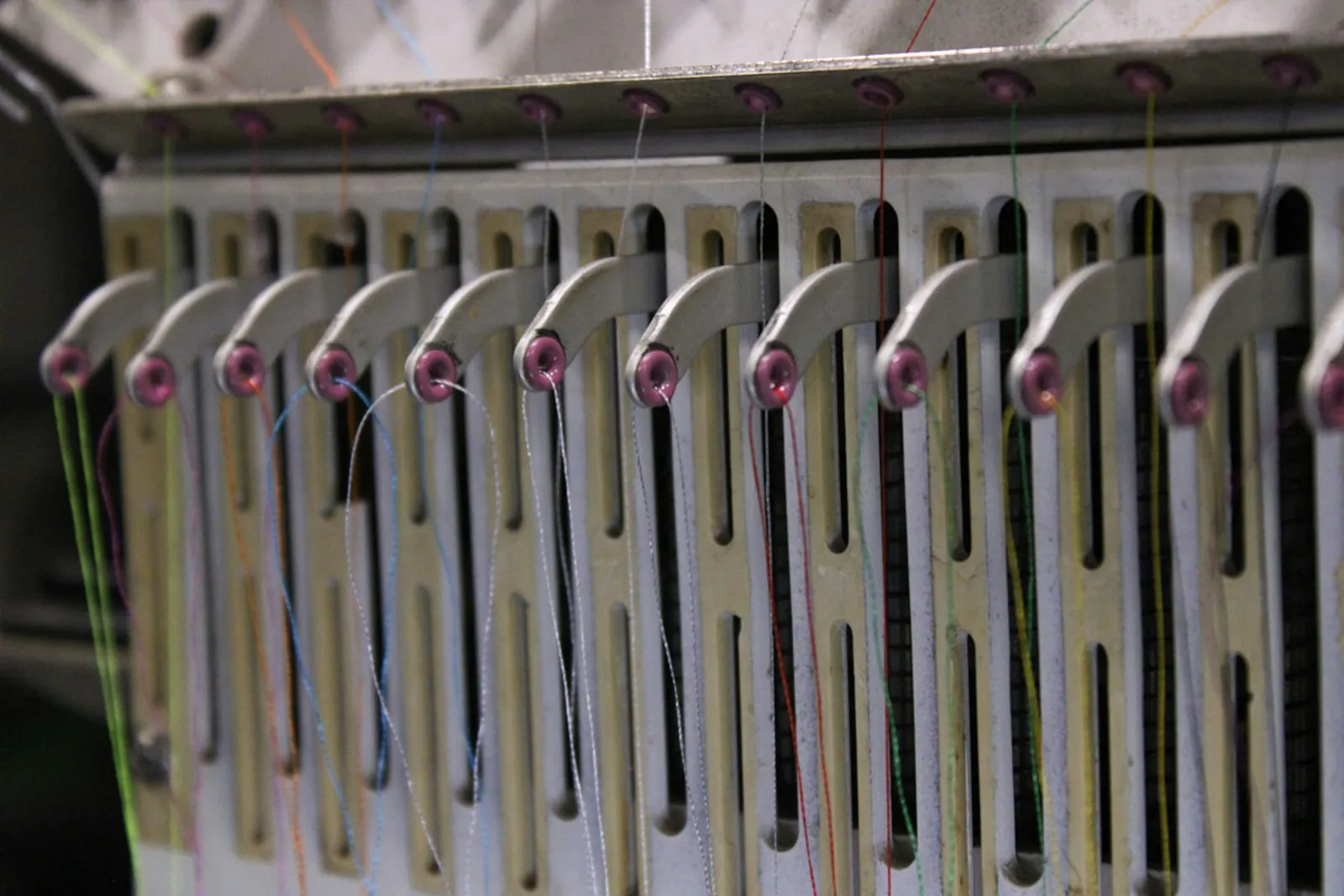
Embroidery stitches the design directly into the fabric using thread. It produces a raised, textured finish that conveys quality and durability. Embroidered logos don't fade, crack, or peel.
| Attribute | Detail |
|---|---|
| Minimum practical run | 1 unit |
| Colors | Unlimited thread colors |
| Durability | Excellent — outlasts the garment |
| Best fabrics | Polos, fleece, caps, bags, towels |
| Turnaround | 5–10 business days |
| Stitch count pricing | Cost increases with design complexity |
Some fulfillment partners, such as Printful, can embroider directly from a PNG file — handling the digitization automatically. This eliminates the need for a separate DST file and speeds up store setup significantly.
3. Direct-to-Garment (DTG)
Best for: Full-color designs, photographic prints, and small runs (1–50 units).
DTG printers spray water-based ink directly onto the fabric, similar to an inkjet printer. This allows unlimited colors and photographic-quality prints without screen setup costs.
| Attribute | Detail |
|---|---|
| Minimum practical run | 1 unit |
| Colors | Unlimited (CMYK process) |
| Durability | Good — 30–50 washes with proper care |
| Best fabrics | 100% cotton (works best); poly blends possible |
| Turnaround | 3–7 business days |
4. Direct-to-Film (DTF)
Best for: Versatile decoration on a wide range of fabrics including polyester, nylon, and cotton blends.
DTF prints a design onto a special film, which is then heat-pressed onto the product. It works on fabrics that DTG can't handle well — making it increasingly popular for performance wear and synthetic blends.
| Attribute | Detail |
|---|---|
| Minimum practical run | 1 unit |
| Colors | Unlimited (CMYK process) |
| Durability | Very good — comparable to screen printing |
| Best fabrics | Cotton, polyester, nylon, blends, leather |
| Turnaround | 3–7 business days |
5. Heat Transfer / Vinyl (HTV)
Best for: Names, numbers, small text, and personalization. Common in sports uniforms and event merchandise.
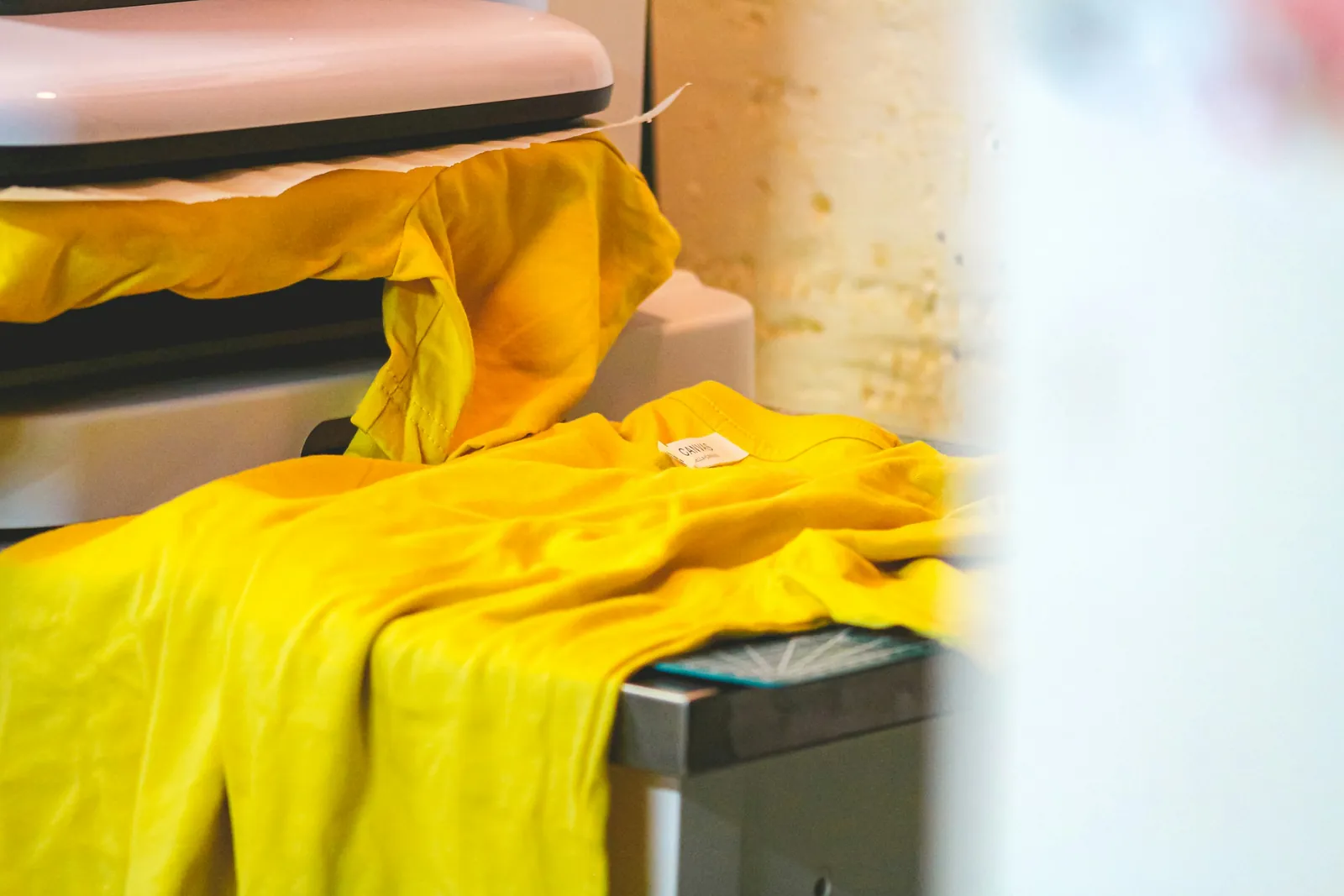
Heat transfer vinyl is cut to shape and pressed onto the fabric using heat. It's ideal for individualized items — player names on jerseys, employee names on workwear, or numbered event shirts.
| Attribute | Detail |
|---|---|
| Minimum practical run | 1 unit |
| Colors | Per-color layers (1–3 typical) |
| Durability | Good — 25–40 washes |
| Best fabrics | Cotton, polyester, nylon |
| Turnaround | 2–5 business days |
6. Sublimation
Best for: All-over prints, vibrant full-color designs on white or light polyester products.
Sublimation uses heat to convert dye into gas, which permanently bonds with polyester fibers. The result is a vivid, all-over print that won't crack, fade, or peel. The limitation: it only works on polyester or polymer-coated products.
| Attribute | Detail |
|---|---|
| Minimum practical run | 1 unit |
| Colors | Unlimited (CMYK process) |
| Durability | Excellent — the dye is part of the fabric |
| Best fabrics | White or light polyester only |
| Turnaround | 3–7 business days |
Full Comparison Table
| Method | Min. Run | Colors | Durability | Best Fabrics | Turnaround | Cost Trend |
|---|---|---|---|---|---|---|
| Screen Printing | 24 units | 1–6 | Excellent | Cotton, cotton-poly | 5–10 days | Low at volume, high for small runs |
| Embroidery | 1 unit | Unlimited | Excellent | Polos, fleece, caps | 5–10 days | Increases with stitch count |
| DTG | 1 unit | Unlimited | Good | 100% cotton | 3–7 days | Consistent per unit |
| DTF | 1 unit | Unlimited | Very good | Cotton, polyester, nylon, blends | 3–7 days | Consistent per unit |
| Heat Transfer (HTV) | 1 unit | 1–3 layers | Good | Cotton, polyester, nylon | 2–5 days | Low per unit |
| Sublimation | 1 unit | Unlimited | Excellent | White/light polyester only | 3–7 days | Consistent per unit |
Decision Matrix
| Need | Recommended Method |
|---|---|
| Large run, simple logo | Screen printing |
| Corporate polos and caps | Embroidery |
| Full-color, small run | DTG or DTF |
| Polyester performance wear | DTF or sublimation |
| Personalized names/numbers | Heat transfer vinyl |
| All-over print on polyester | Sublimation |
How On-Demand Platforms Handle Decoration
On platforms like Brikl, the decoration method is configured at the product level. When a distributor adds a product to a store, they select the decoration method and upload artwork. When an order comes in, Brikl routes it to the appropriate fulfillment partner based on the decoration type and product specifications.
This means distributors can offer multiple decoration methods across a single store — embroidered polos alongside DTG t-shirts and screen-printed hoodies — without managing multiple vendor relationships manually.
Related Reading
- How On-Demand Fulfillment Works in Promotional Products — A step-by-step breakdown of the fulfillment process from order placement to delivery.
- What Is Print on Demand? A Complete Guide for Distributors — How the POD model works and why it's reshaping the promo industry.
- 8 Features Every On-Demand Company Store Must Have — The checklist for evaluating company store platforms, including decoration method support.
More from the blog
Education
On-Demand vs Bulk: Which One Fits Which Order?
On-demand and bulk aren't rivals. They are two tools for two jobs. Here's how to tell which order belongs on which, and why you no longer have to choose a platform for it.
Education
What Is Print on Demand? A Complete Guide for Promotional Product Distributors
Print on demand lets distributors sell custom products without holding inventory. Here's how the model works and why it's reshaping the promo industry.
Education
How On-Demand Fulfillment Works in Promotional Products
A step-by-step breakdown of the on-demand fulfillment process — from order placement to delivery — and why it's replacing traditional inventory models.