



BlogEducation
What Is Print on Demand? A Complete Guide for Promotional Product Distributors
Print on demand lets distributors sell custom products without holding inventory. Here's how the model works and why it's reshaping the promo industry.
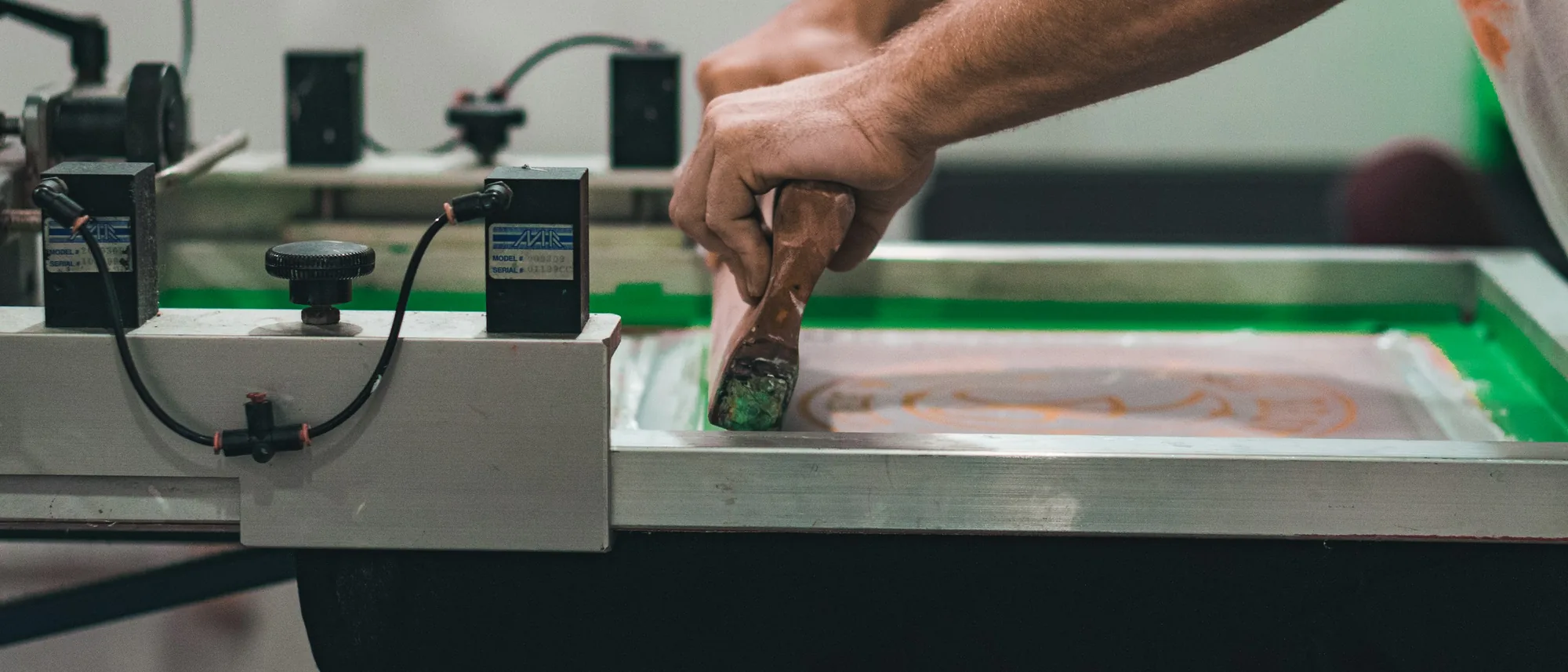
Print on demand (POD) is a fulfillment method where products are manufactured only after a customer places an order. Unlike traditional bulk ordering — where distributors purchase inventory upfront and hope it sells — POD eliminates inventory risk entirely. The product is decorated, packaged, and shipped directly to the end customer from a fulfillment partner's facility.
How Print on Demand Works in Promotional Products
The workflow follows four steps:
- A distributor creates an online store with a catalog of blank products from wholesale suppliers.
- An end customer places an order and selects decoration options (logo placement, colors, personalization).
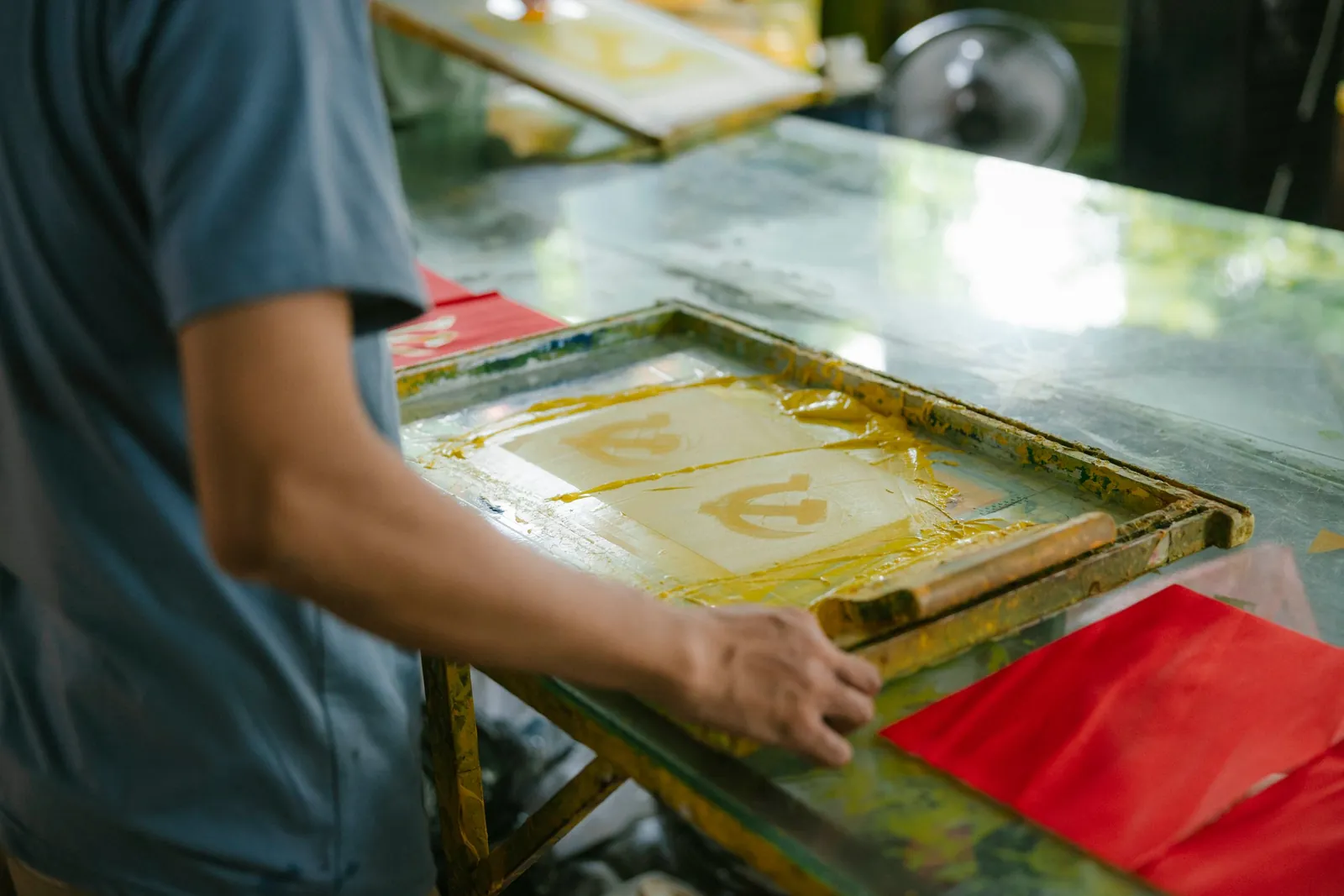
- The order is routed to a decorator — such as Taylor OnDemand, Printful, or Fulfill Engine — who produces the item using screen printing, embroidery, DTG, or other methods.
- The finished product ships directly to the customer. The distributor never touches the product.
This model is fundamentally different from how most distributors have operated for decades. Instead of warehousing thousands of pre-decorated items, a distributor can offer an unlimited catalog with zero upfront cost.
Why Distributors Are Switching to Print on Demand
The $26 billion U.S. promotional products industry has relied on bulk orders and manual workflows for most of its history. Three forces are driving the shift:
No inventory risk. Distributors don't purchase products until they're sold. This eliminates dead stock, warehousing costs, and the cash flow strain of large upfront orders.
No minimum order quantities. End customers can order a single embroidered polo or 500 screen-printed t-shirts through the same store. This opens up markets that bulk ordering can't serve — small teams, individual employees, one-off events.
Faster time to market. A distributor can launch a branded store in minutes rather than weeks. There's no need to coordinate with warehouses, negotiate bulk pricing, or manage inventory counts.
Print on Demand vs. Traditional Bulk Ordering
| Factor | Print on Demand | Traditional Bulk |
|---|---|---|
| Inventory required | No | Yes |
| Minimum order quantity | 1 unit | Typically 24-144+ |
| Upfront investment | None | Significant |
| Fulfillment time | 7-10 business days | Varies (can be faster for pre-stocked items) |
| Product variety | Unlimited | Limited by inventory |
| Dead stock risk | Zero | High |
Decoration Methods Available in Print on Demand
Modern POD platforms support a range of decoration techniques:
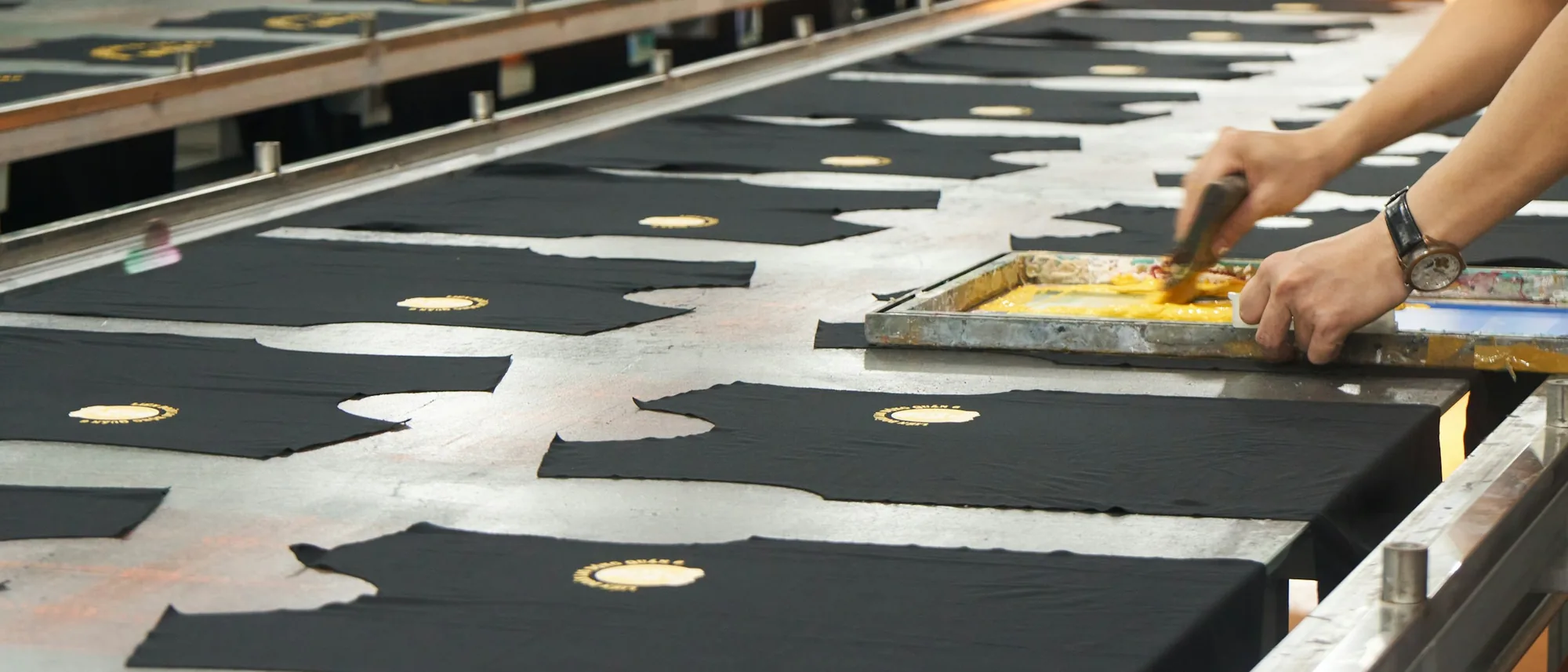
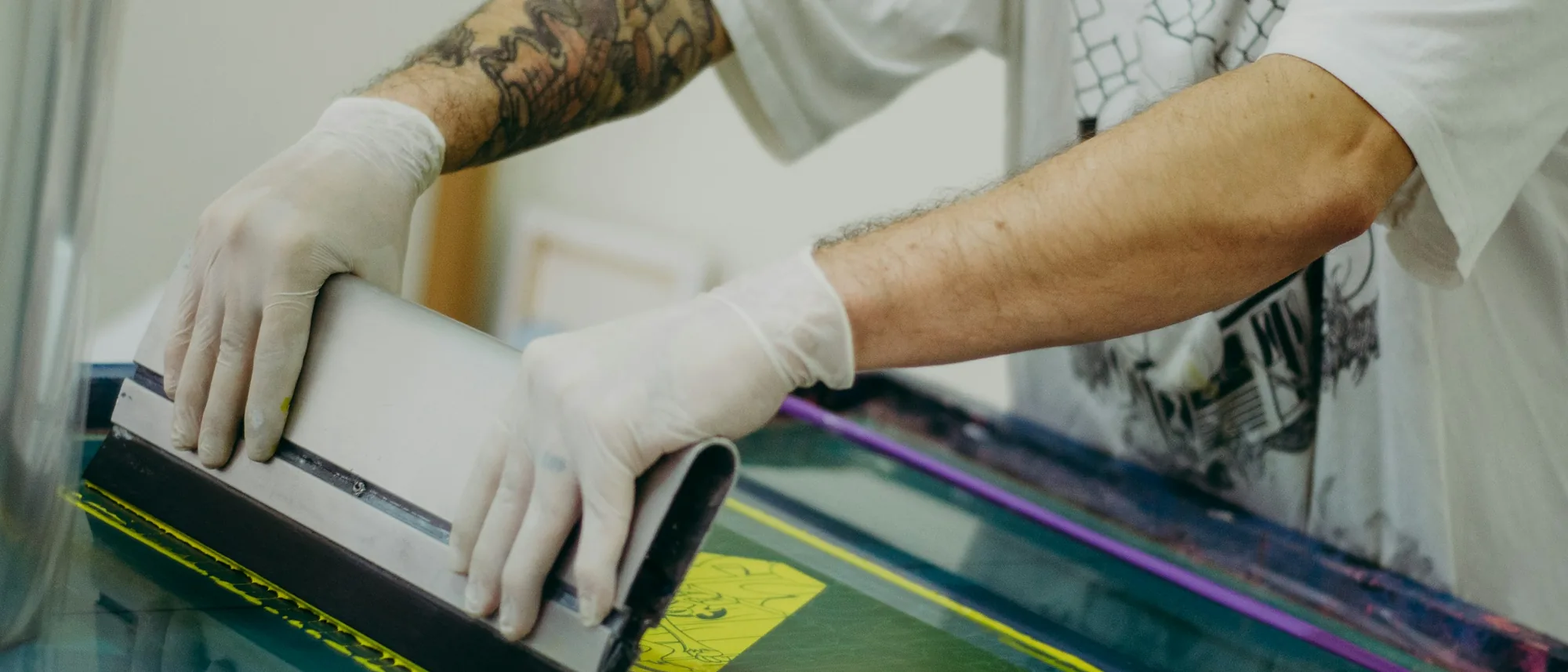
- Screen printing — best for large runs of simple designs
- Embroidery — ideal for polos, caps, and corporate apparel
- Direct-to-garment (DTG) — full-color prints on cotton and blends
- Direct-to-film (DTF) — versatile, works on most fabrics
- Heat transfer / vinyl — names, numbers, and small-run personalization
- Sublimation — all-over prints on polyester products
How Brikl Enables Print on Demand for Distributors
Brikl is a B2B SaaS platform purpose-built for promotional product distributors and decorators. The platform integrates with 12 fulfillment providers and 30 product suppliers, automating the entire POD workflow — from storefront creation to order routing to delivery tracking.
Distributors on Brikl pay a 3.5% commission per transaction with no monthly subscription. They can create unlimited branded stores, each with its own domain, product catalog, and branding. Orders are automatically routed to the appropriate fulfillment partner based on product type and decoration method.
Getting Started
The shift from bulk ordering to print on demand doesn't require abandoning existing business. Many distributors run both models in parallel — using POD for on-demand stores and company stores while continuing bulk ordering for large-volume clients. The key is choosing a platform that integrates both workflows without adding operational complexity.
Related Reading
- How On-Demand Fulfillment Works in Promotional Products — A step-by-step breakdown of the on-demand fulfillment workflow from order placement to delivery.
- Screen Printing vs. Embroidery vs. DTG: Choosing the Right Decoration Method — A technical comparison of the six most common decoration methods in promotional products.
- The Real Cost of Selling Promo: A Margin Breakdown — Real numbers on what it costs to sell promotional products through an on-demand model.
More from the blog
Education
On-Demand vs Bulk: Which One Fits Which Order?
On-demand and bulk aren't rivals. They are two tools for two jobs. Here's how to tell which order belongs on which, and why you no longer have to choose a platform for it.
Education
Screen Printing vs. Embroidery vs. DTG: Choosing the Right Decoration Method
A technical comparison of the six most common decoration methods in promotional products — when to use each and how they affect cost, quality, and turnaround.
Education
How On-Demand Fulfillment Works in Promotional Products
A step-by-step breakdown of the on-demand fulfillment process — from order placement to delivery — and why it's replacing traditional inventory models.