



BlogGuide
Can a Nonprofit Sell Merchandise? Sales Tax, Exemptions and What to Check
Published: Last updated:
Yes, nonprofits can sell merchandise, but tax rules vary. See what to check on sales tax, unrelated business income and exemption documents.
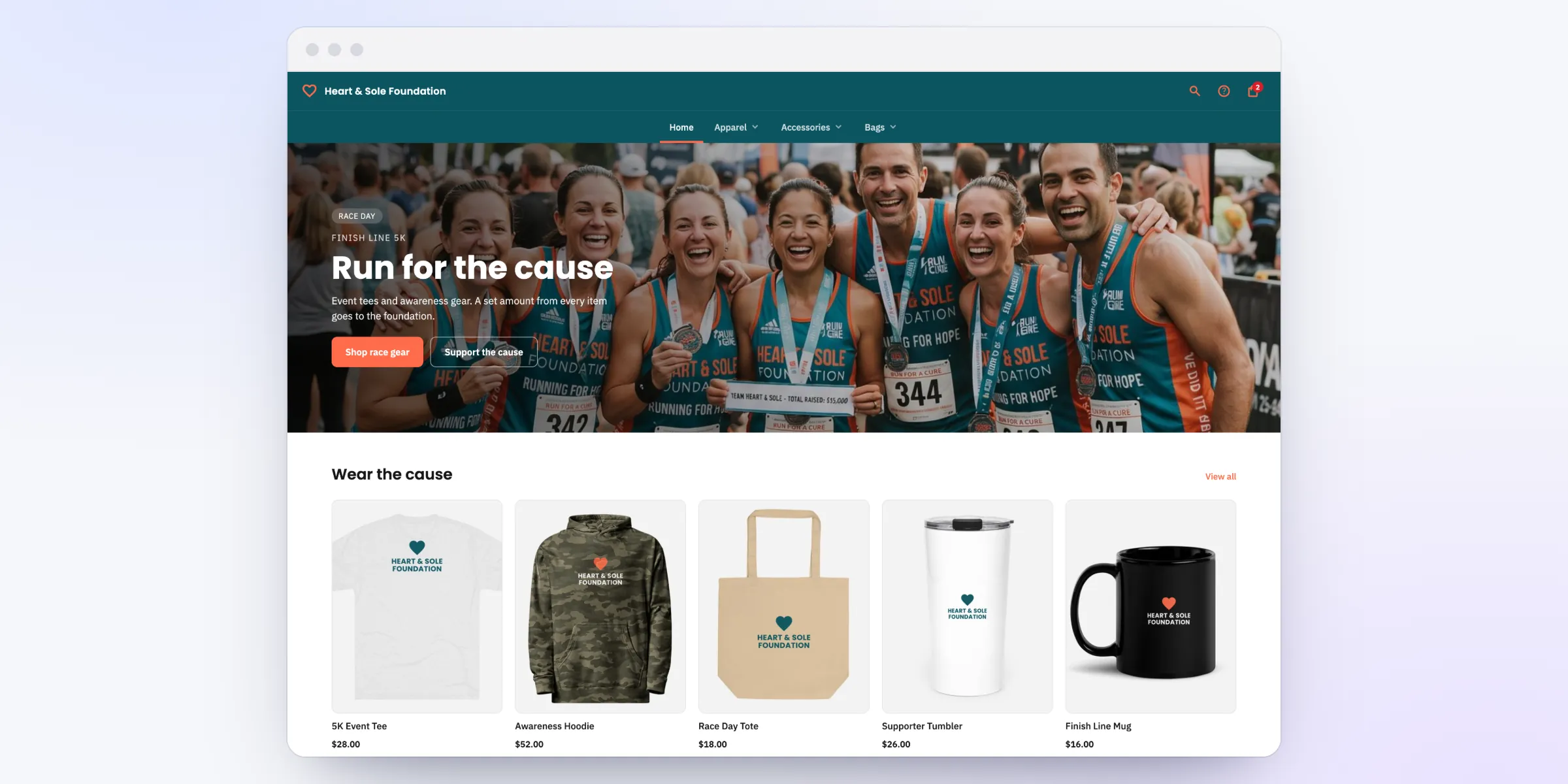
Brikl lets nonprofits sell merchandise and can apply a supported sales tax exemption at checkout when valid documents are provided, but tax-exempt status does not automatically settle every tax question. Check the rules where you sell and ask a qualified tax advisor.
This article is general information, not legal or tax advice.
In short:
- Federal tax exemption does not automatically mean exemption from state sales tax.
- Merch income may raise unrelated business income questions, depending on the facts.
- Brikl can apply a supported sales tax exemption at checkout if you provide valid documents.
- Your organization remains responsible for its own income tax and annual filings.
Does a nonprofit have to charge sales tax?
It depends on where the sale happens, what is being sold and the rules that apply to your organization. Do not assume that a 501(c)(3) letter answers the sales tax question. Check each state or region where you plan to sell.
On Brikl's Launch plan, Brikl is the Merchant of Record. If a supported exemption applies, Brikl registers the store under the right exemption type, limits it to the regions your documents support and applies it at checkout. For those orders, you do not file the sales tax return. On the Enterprise plan, the distributor or organization acting as Merchant of Record manages its own tax setup and filings.
What documents do you need?
- Legal entity name
- Exemption type
- States or regions covered
- A valid exemption or resale certificate
- Any expiration date
Keep the certificate current. An expired certificate can invalidate the exemption, and later orders may become taxable.
What is unrelated business income?
The IRS can tax some income from business activity that is not substantially related to an organization's exempt purpose. Merch can raise this question, particularly when it is sold regularly and the only link to your mission is that the money funds it.
The IRS lists exceptions, including activities where substantially all the work is done without pay, and sales of merchandise that was nearly all donated. An on-demand store may not fit these exceptions in the same way as a volunteer-run table or thrift shop, so ask your advisor to review your setup.
What should you ask your tax advisor?
- Is this merch related to our exempt purpose?
- Does the frequency of sales change the answer?
- Do we need to report the income separately?
- Which states need attention for sales tax?
- How should we describe set-asides or donations to supporters?
- Who keeps the records, and for how long?
How do donations differ from merch sales?
A supporter who buys a tee receives an item. A donation at checkout is a separate gift. Keep the two clear in your messaging and records, and ask your advisor how to acknowledge each one.
Read Brikl's guide to tax-exempt nonprofit stores.
Open your store — start free
Brikl is a branded merch platform built for scale. Companies, schools, clubs, nonprofits, creators and distributors run on-demand stores and bulk orders from one marketplace, with no inventory.
Frequently asked questions
Does Brikl file our annual returns?
No. Exemption handling covers sales tax only. Your organization still handles its own income tax, information returns and annual filings.
Do exempt orders still appear in records?
Yes. Brikl still calculates and records each transaction, so exempt sales remain visible and auditable.
Can we start before we have the certificate?
Ask your advisor, and do not treat orders as exempt until the exemption has been set up.
More from the blog
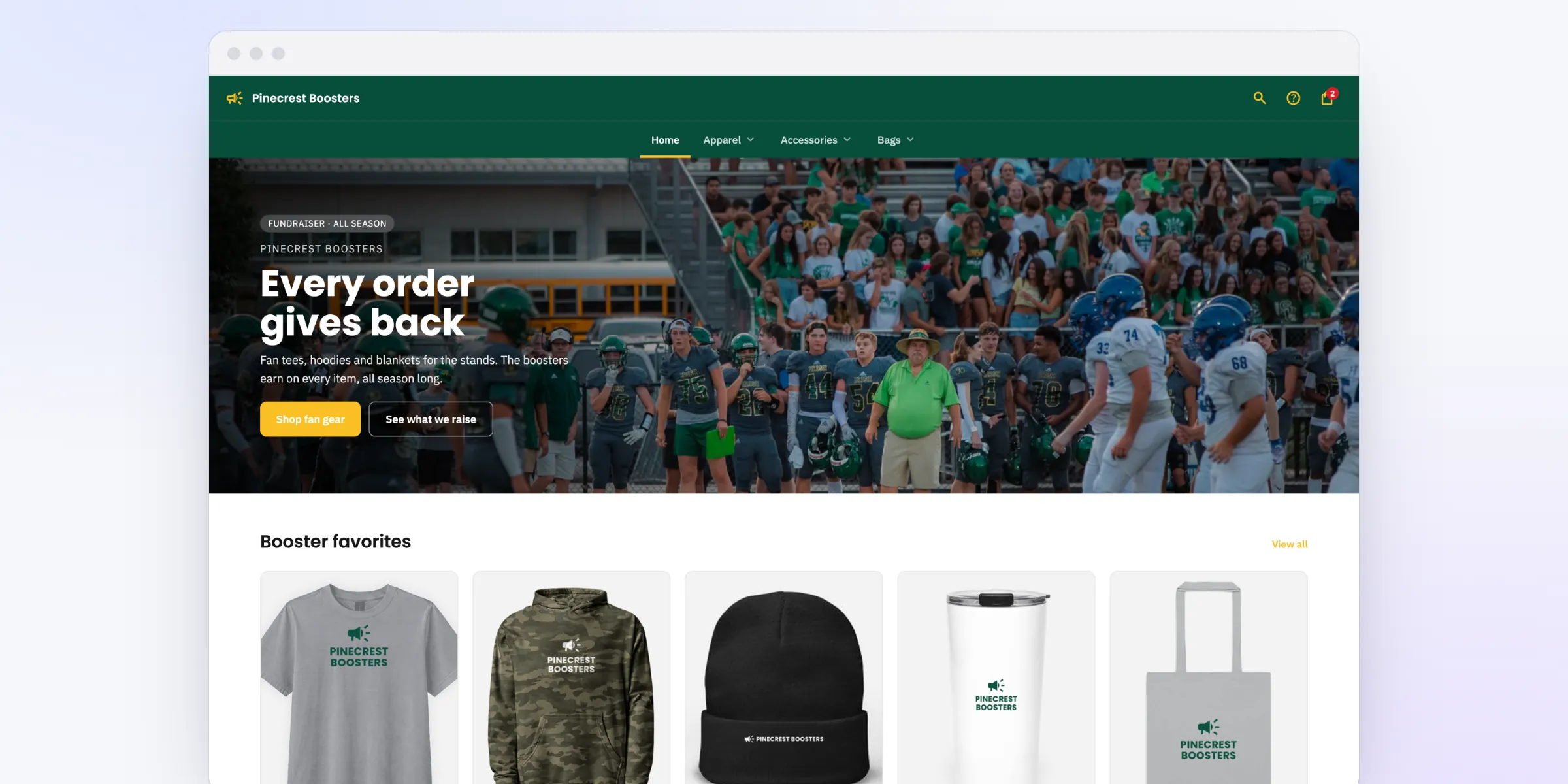
Guide
How Much Can a Merch Fundraiser Raise? Examples by Group Size
Estimate what your merch fundraiser could raise with one simple formula, plus examples for a PTA, a sports club and a nonprofit.
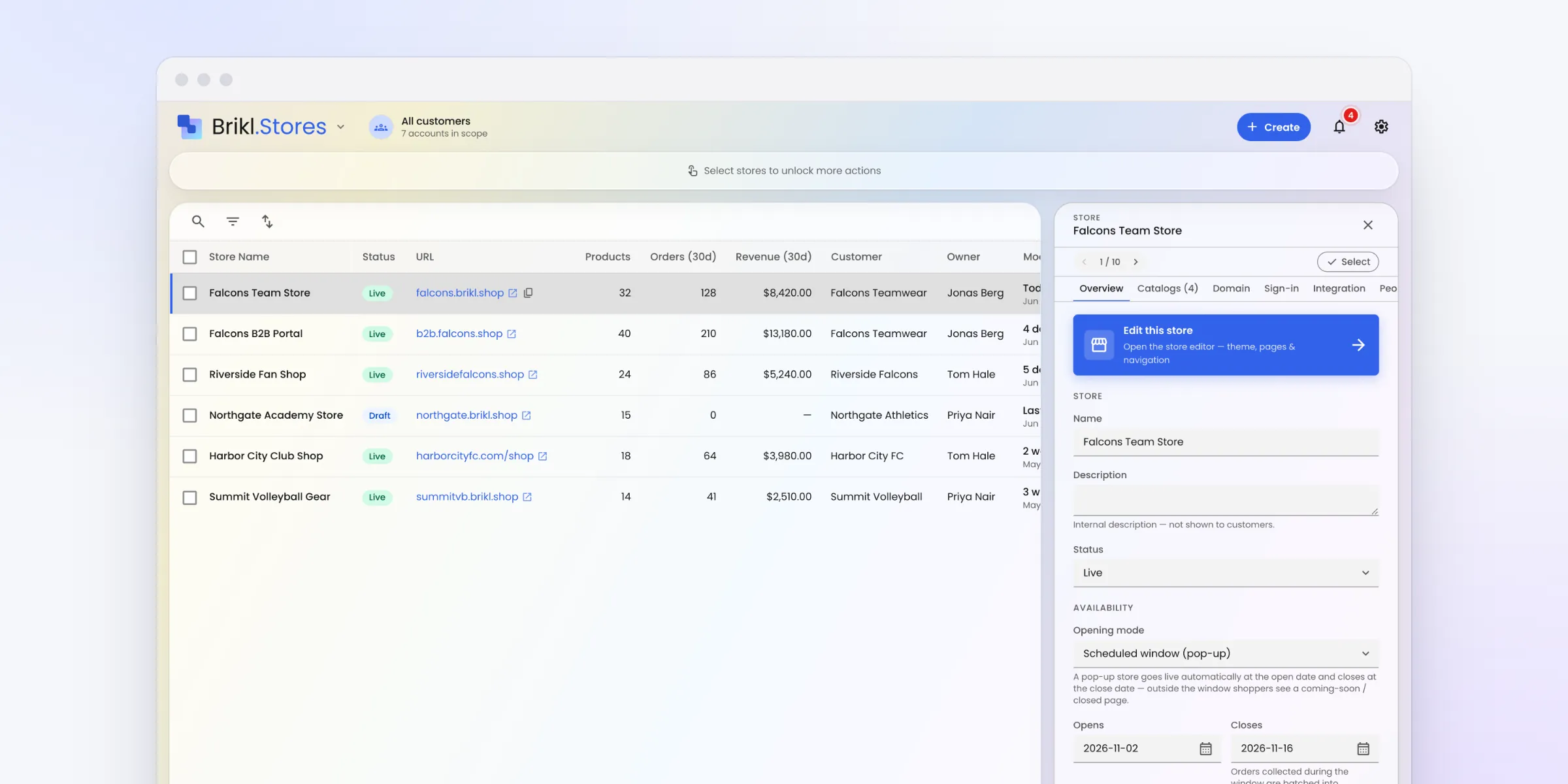
Guide
How to Run a Pop-Up Shop Fundraiser With No Inventory
Run a pop-up shop fundraiser with no upfront cost or leftover stock. Set the dates, choose the products and raise money on every item.

Guide
Fundraising With Merch, Without the Logistics
Merch fundraisers usually mean guessing quantities, fronting cash, and sorting boxes. On-demand fundraising raises money on the gear people already want — with none of that.